




Tips for Smooth Toddler Bedtime Routines
Toddler bedtime resistance often turns evenings into a drawn out routine, with parents spending an average of 40 minutes coaxing children to sleep. Nights without a clear structure can stretch even longer, eating into hours that might otherwise be spent unwinding. Once toddlers settle smoothly, parents regain stretches of quiet, sometimes choosing to relax with activities like spinning slots or browsing online for new sign up bonuses. These moments offer a chance to focus on small details, such as understanding payout rules or exploring themes in games, which can be missed when the evening is spent negotiating one more cup of water or another story. When bedtime routines work, personal time becomes an active part of family life again, rather than a rare exception.
Parents who finally reclaim quiet time in the evening often find themselves appreciating the small freedoms it brings. With fewer interruptions, they now spend these moments spinning slots or searching for sign up bonuses, making use of the uninterrupted hours they have regained. At https://yep.casino/en-gb, they encounter a wide range of jackpots that can add extra excitement to their downtime. The return of peaceful evenings lets families enjoy a sense of balance that was missing during the long, chaotic bedtime routines.
Why do bedtime routines fall apart
Most bedtime routines break down when daily pressures run high or distractions pile up. Strained evenings can leave both toddlers restless and adults without a genuine pause, especially when parents hope to spend time on something like online casinos after their child’s bedtime:
- Overstimulation – late screen time or lively play before bed
- Inconsistency – bedtime shifting from night to night
- Parental stress – work emails or household chores lingering into the evening
- Unclear boundaries – repeated requests for water or stories after lights out
- Outside noise – neighbours or notifications breaking the quiet
Nighttime chaos often spills into personal hours, shrinking the window for adults to relax or catch a few spins on online slots. With routines settled, bonuses and jackpots become an option, not a missed opportunity.
How can I make bedtime less stressful

Smooth bedtime routines for toddlers give parents back pockets of evening time that often vanish during the preschool years. Once a child settles without protest, the grown-up hours after dark become both quieter and more predictable.
- Predictable sleep patterns mean less resistance at night and fewer wake-ups.
- Evenings become reliable personal time for parents, making room for unwinding with a book, a show, or even spinning a few rounds on online slots without interruption.
- Reduced stalling and tantrums lower the chance of overtiredness, which can spiral into night wakings.
- Consistent routines help toddlers feel secure, which carries over into daytime behavior.
- Initial changes to routine sometimes trigger pushback, especially if a toddler is used to late nights.
- Some parents find it harder to coordinate routines when shifts or multiple caregivers are involved.
- If a child senses a parent is eager to get to their own leisure, such as checking a sign up bonus or a payout notification, the new routine might turn into a power struggle.
Not every evening will unfold perfectly, but the overall pattern matters more than perfection. Setting up a routine that delivers reliable quiet time means parents can reclaim hobbies or downtime, whether that’s a movie, a puzzle, or a quick game online before bed.
What if my child resists every night
Bedtime standoffs with toddlers often mean parents lose their entire evening to repeated negotiations and last-minute requests. Strong personalities can turn even a well-planned routine into a nightly challenge, reshaping family schedules and draining energy. Persistent resistance not only delays sleep but also leaves adults with little chance to unwind or check for bonuses on online casinos before the day ends.
Consistency when routines fail
Toddlers who push back against bedtime often disrupt the entire evening, leaving parents without a reliable window for rest or personal plans. Each unpredictable night increases stress and makes it hard to count on any downtime at all. Consistent routines, even when challenged, build the foundation for more predictable evenings and open the door to activities parents rarely get time for:
- Set the same bedtime and follow the familiar steps–bath, pajamas, a single story–regardless of protests or delays.
- Respond to resistance with calm repetition, not negotiation or new rewards, reinforcing that the schedule stays the same.
- If a tantrum or stalling escalates, wait it out quietly in the room, but do not introduce extra stories or screen time as a distraction.
- Once the child settles and falls asleep, stick to the planned routine again the next night, even after a difficult evening.
- After a run of consistent nights, notice how the evening stretches open–parents can finally finish a movie, spin a few rounds on online slots, or review terms on a new welcome bonus without interruptions.
Giving in to last-minute requests or changing the plan mid-routine usually leads to more pushback the next night. When the routine holds, the reward is a stretch of quiet hours–enough for parents to unwind, scroll through a payout list, or simply enjoy time that is entirely their own.
Reward systems that actually work
Reliable reward systems often tip the balance for toddlers who otherwise stall at bedtime. When a child sees a clear benefit for cooperating, the entire evening can settle into a predictable rhythm, freeing up time for adult pursuits that rarely fit into a fractured schedule. Once the house is quiet, some parents unwind by browsing sports scores or spinning a few virtual slots, using their regained free hours for grown up pastimes that demand focus.
| Reward Type | How It’s Earned | Best Age Range | What Can Go Wrong |
|---|---|---|---|
| Sticker chart | Earn one sticker per night in bed by the set time | 2 to 5 | Interest fades if rewards reset too often |
| Bedtime pass | Exchange a single card for one extra bedtime request per night | 3 to 6 | Child may stall to strategize when to use the pass |
| Treasure box | Choose a small toy from a box after three calm nights | 2 to 4 | Novelty wears off if toys repeat |
| Story token | Earn an extra story for next night after staying in bed | 3 to 5 | Can backfire if child prefers immediate rewards |
| Countdown calendar | Mark off each successful night toward a bigger weekend treat | 4 to 6 | Delays between action and payoff may be too long for some |
A reward system shines when a child expects a clear, achievable goal each night. For adults, the time recaptured can be used for everything from folding laundry to scanning for a generous sign up bonus at an online casino, but only when bedtime routines hold firm and interruptions stay rare.
Clear routines and steady positive reinforcement help even determined toddlers settle faster, freeing up time that often gets lost to bedtime battles. With evenings finally quiet, parents can relax, catch up on news, or spin slots online without worrying about being interrupted by another call from the child's room.
When should I change my approach
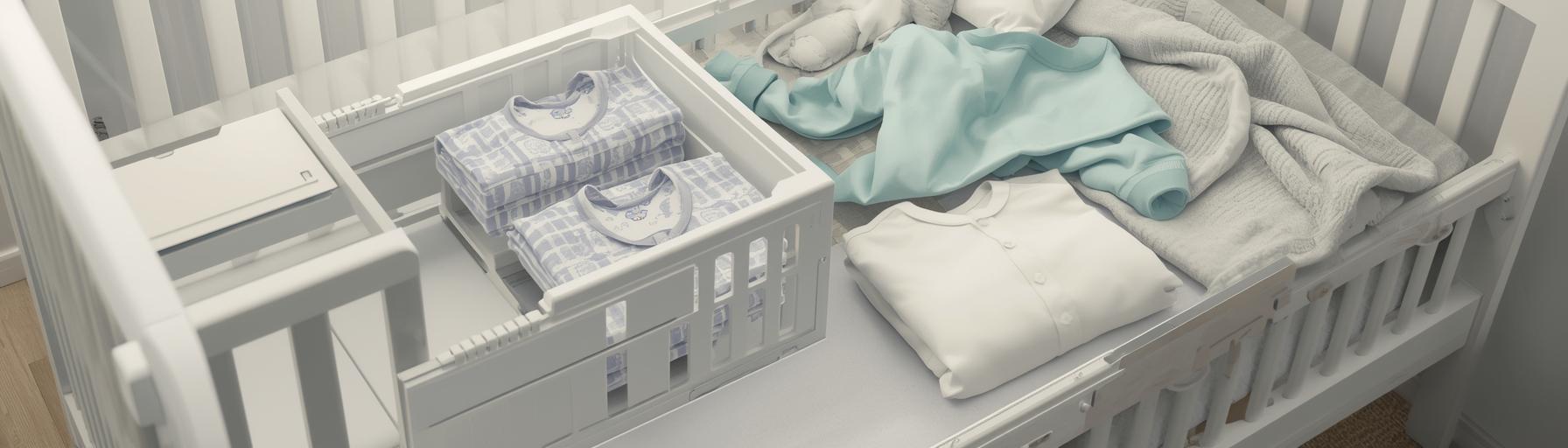
Bedtime routines often unravel when toddlers begin resisting sleep night after night, or when a once reliable sequence no longer leads to a calm transition. Some parents also notice that their own stress rises as routines drag on, and evenings that used to be predictable become exhausting instead.
- Responds to developmental leaps or new fears
- Reduces evening power struggles, making transitions easier
- Allows parents to reclaim quiet time for themselves, including spinning online slots or checking casino bonuses without distraction
- Improves sleep quality for both child and parent
- Requires experimenting with new steps, which may not work immediately
- Disrupts the sense of stability if changes are too frequent or abrupt
- Older routines may need to be completely abandoned, which can unsettle some children
Many parents use their reclaimed evenings for activities like reading or exploring online casinos, where comparing sign-up deals or trying different games fills the quiet. Tracking a child’s mood across the week often reveals the right moment to switch bedtime tactics, rather than waiting for routines to collapse entirely.